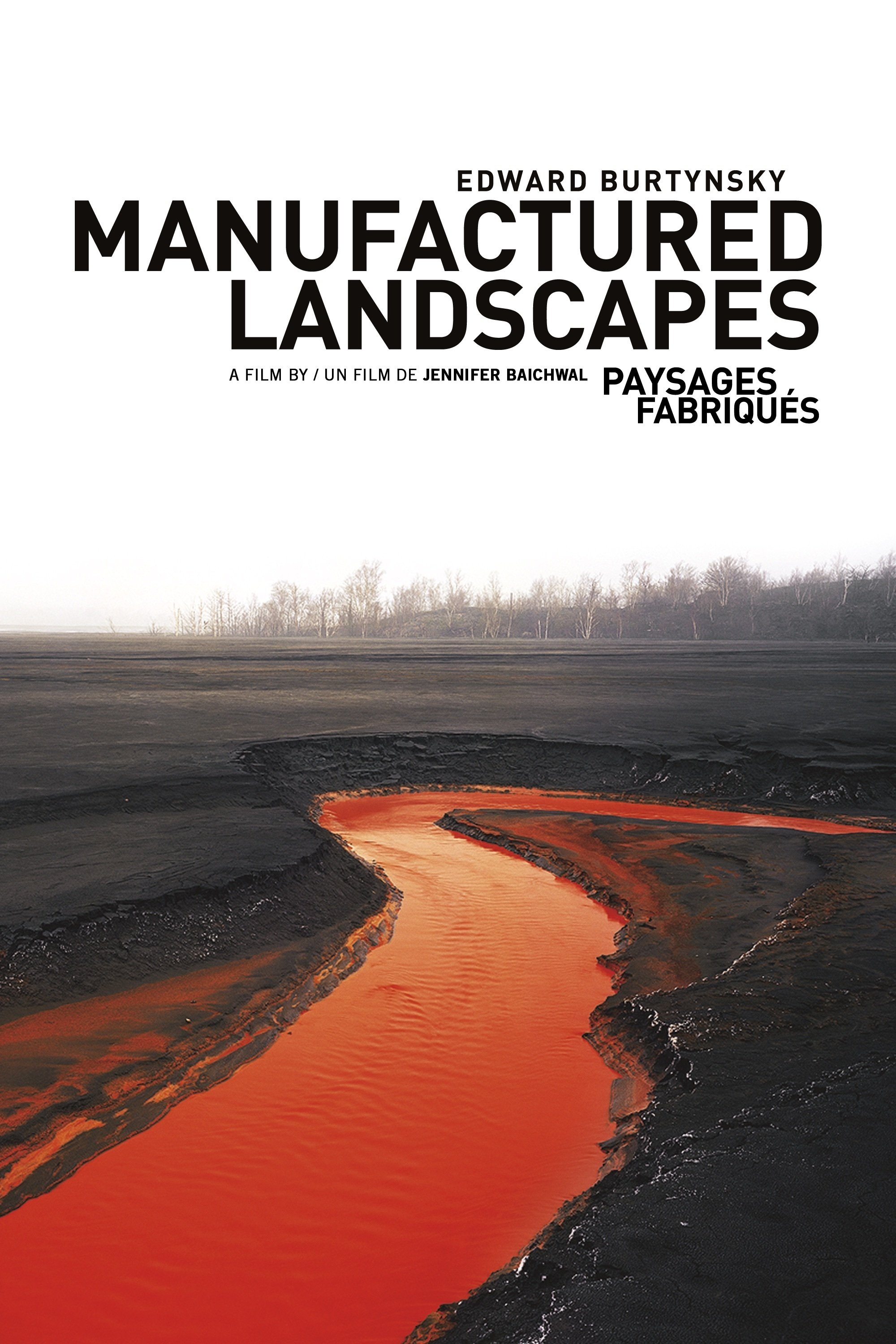
Even in this movie. He emphasizes how they don't try to pass judgment on what's happening. He argues that it's better to just let people experience it, and it will probably lead to more engagement than allowing users to debate whether we should or should not be doing all of this or condemning all of this.
So this is a test. A decently long test for my new transcription feature. Silence detection only found 1 point at 0.48 seconds. So all chunks fell back to the hard 60 second splits. This recording likely has continuous background noise or no clean pause above -30 decibels. We could try a less aggressive threshold to detect softer pauses. Want me to rerun with a different threshold? Or you can compare. Or you can listen to the blob URL first to see if there was an audible pause that we are missing. Yeah, the quality difference could be a few things. This particular recording, the 30 second test earlier. 5 minute 5 1. Go ahead and upload a test file. We can compare the output directly. Meanwhile, can you check what model setup you're running on Mac os? Yeah, if it's the native Nemo Parakeet Python runtime rather than the Go wrapper, that could explain the quality gap. Okay, these transcriptions look really bad. Wait, I think I'm gonna upload another test file now. I'm not even sure the transcriptions are running well. Like they're really, really bad compared to what I run on my Mac os.
1h 30mEven in this movie. He emphasizes how they don't try to pass judgment on what's happening. He argues that it's better to just let people experience it, and it will probably lead to more engagement than allowing users to debate whether we should or should not be doing all of this or condemning all of this.
basically: land thinks the west got soft. democracy, welfare, human rights discourse — all of these are brakes on the autonomous process of capital. china doesn't have those brakes. it has authoritarian state direction fused with market velocity, which for land is the optimal configuration for capital to reach escape velocity toward singularity. he moved to shanghai because he genuinely believes he's living at the leading edge of history's actual trajectory, not as a tourist but as someone who thinks "neo-china arrives from the future" is literally descriptive.
capital used to be territorialized in the west. the first world was the center, the third world was the periphery. western nations extracted value from colonies/developing nations and maintained their privilege through institutional structures (bretton woods, IMF, NATO, etc.). what land sees happening is capital breaking free from this territorial arrangement entirely. when manufacturing moves to shenzhen, when financial flows become digital and borderless, when chinese firms outcompete western ones — that's not just "globalization" in the boring thomas friedman sense. it's capital deterritorializing itself from its western host. the west created capitalism but capitalism doesn't owe the west anything. it goes where the acceleration is fastest.
since man is no longer the primary philosophical subject, "human identity is being fundamentally challenged in the face of the approaching singularity" — what's being protected by the "human security system" is "not some real thing that is mankind, it's the structure of illusory identity," and "your self-comprehension as an organism becomes something that can't be maintained beyond a certain threshold of ambient networked intelligence."